
Imagine opening your mailbox to find a formal letter from Bituach Leumi, only to realize every word is written in dense, legal Hebrew. You scan the page for a benefit amount, but instead, you find a rejection notice and a ticking clock. It’s a stressful scenario that many foreign residents face while trying to secure social benefits rights for olim in Israel. You aren’t alone in feeling overwhelmed by the language barrier or the fear of missing a strict filing deadline.
At Salior Ben Hamou Law Office, led by attorney Salior Ben Hamou (עו’ד סאליאור בן חמו), we understand that a “no” from the National Insurance Institute isn’t necessarily the final word. Drawing on deep institutional knowledge from within the Israeli court system, we’ve seen how the right evidence can turn a rejection into a success. This guide provides the exact legal steps and strategies you need to challenge a decision and claim the back-pay you’re owed.
We’ll walk you through the critical differences between medical and administrative appeals, explain the 60 and 90-day windows, and show you how to build a winning case. For more visual guides on these processes, you can also visit our YouTube channel @SaliorLaw. Let’s look at how to navigate this system with clarity and confidence.
Key Takeaways
- Identify the common documentation errors that lead to rejections and learn how to correct them before your appeal deadline expires.
- Master the timing of the 60 and 90-day filing windows to ensure your request for a re-examination is processed by the Claims Committee.
- Secure your social benefits rights for olim in Israel by using expert medical opinions to bridge the gap between your health reality and bureaucratic requirements.
- Understand the 12-month statute of limitations for Labor Court filings, providing a final line of defense if administrative routes fail.
- Leverage insider knowledge of the Israeli judicial system to navigate the hierarchy with confidence and claim the back-pay you deserve.
Understanding Your Bituach Leumi Rejection: Why Claims Fail
Receiving a rejection from Bituach Leumi (National Insurance Institute) feels like a door slamming shut. This notice is more than a letter; it’s a formal legal decision that dictates your eligibility for essential financial support. If you don’t challenge it within the required timeframe, the decision becomes final, potentially stripping away your social benefits rights for olim in Israel. Most rejections fall into two categories: technical or medical. A technical denial happens when paperwork is missing or a deadline is missed. A medical denial occurs when the BTL physician disagrees with your diagnosis or how it impacts your ability to work.
Translation errors are a silent killer for many claims. When an expat submits a report from a specialist abroad, the nuances of the diagnosis often get lost. Israeli medical committees follow a specific “Book of Percentages” to determine disability. If your translated report doesn’t use the specific phrasing required by Israeli law, the claims officer might assign a 0% rating simply because they couldn’t find the matching local code. If you’ve already faced a visa rejection in the past, you know how rigid Israeli authorities can be; Bituach Leumi operates with that same administrative strictness.
The Role of the Claims Officer
Claims officers are the first gatekeepers of your file. They aren’t usually doctors; they’re bureaucrats checking your application against rigid internal criteria. In many cases, the initial review is purely administrative and heavily automated. If a single document is missing or a date looks inconsistent, the system triggers a rejection. This is why the clarity of your written arguments is vital. You aren’t just telling a story. You’re providing a roadmap that a busy officer can follow without confusion.
Common Pitfalls for Expats and Olim
Proving your “Merkaz Chaim,” or Center of Life, is a frequent stumbling block for the international community. Bituach Leumi may deny benefits if they believe you haven’t established a permanent home in Israel. They look at where you spend your time, where your family lives, and even where you pay your bills. Another issue is the discrepancy between foreign medical standards and Israeli regulations. We always emphasize “clarity before commitment.” It’s much easier to file a perfect claim the first time than to fix a rejected one. For detailed walkthroughs on these bureaucratic challenges, you can find more resources on our YouTube channel @SaliorLaw. Understanding these nuances is the first step toward securing the social benefits rights for olim in Israel that you deserve.
The Administrative Appeals Process: Medical Boards and Committees
The clock starts ticking the moment that Hebrew letter lands on your doorstep. In Israel, timing isn’t just a suggestion; it’s a legal barrier that can end your claim before it even begins. Generally, you have 60 days to appeal a medical decision and 90 days to challenge an administrative one. If you miss these windows, the National Insurance Institute (BTL) considers the matter closed. This is often where the battle for social benefits rights for olim in Israel is won or lost. You can’t afford to let these dates slip by while you’re still trying to translate the notice.
Step one usually involves a request for a “re-examination” by a Claims Committee. This is your opportunity to address the technical errors we discussed previously. It’s a internal review that happens at the branch level. However, if the issue is purely medical, you’ll likely find yourself preparing for the Medical Appeals Board. This is a more formal setting where the stakes are significantly higher.
The Medical Appeals Board (Va’adat Arar)
The Va’adat Arar consists of independent medical specialists who haven’t seen your file before. They are looking for objective clinical evidence: MRI results, blood tests, or specific functional assessments. They aren’t interested in general descriptions of pain; they want data that fits the Israeli disability codes. You must be prepared for a brief, high-pressure physical examination. For non-Hebrew speakers, this environment is notoriously difficult to navigate. You have a right to an interpreter, but having a representative who understands the “bureaucratic Hebrew” used by the doctors is a significant advantage. For a visual breakdown of what to expect at these hearings, you can check our YouTube channel @SaliorLaw. Be aware that this board has the authority to lower your existing disability percentage if they find your condition has improved. It’s a risk that requires careful strategy.
Administrative Claims Committees
When the dispute isn’t about health but about money, you’ll face an Administrative Claims Committee. These boards handle issues like income support, residency status, or child benefits. Success here depends on how well you argue financial distress or humanitarian exceptions. If you’re navigating complex family dynamics alongside your claim, our guide on child custody explains how these family-related benefits are structured. Securing these rights requires a methodical approach to documentation to protect your social benefits rights for olim in Israel. If you’re unsure how to phrase your appeal, you can reach out for a professional review of your file.
Strategic Steps to Build a Strong Appeal Case
Winning an appeal requires a shift in mindset. You’re no longer just applying; you’re building a legal case. In the Israeli system, the difference between success and failure often comes down to the quality of your evidence. The system values data over stories. While your personal account of hardship is relevant, the Medical Appeals Board prioritizes objective clinical findings. This means providing MRI scans, blood panels, or specialized functional tests rather than just describing your pain. To secure social benefits rights for olim in Israel, you must translate your reality into a format the BTL physicians recognize.
One of the most effective tools in an appeal is the “Expert Opinion” (Chavat Da’at). This is a formal document written by an outside medical specialist who reviews your case against the BTL Book of Percentages. Because BTL doctors often spend only minutes on an assessment, a thorough, 10-page expert opinion can carry immense weight. It provides the board with a professional counter-argument they cannot easily ignore. Don’t rely on foreign documents alone. A certified legal translation is non-negotiable. If the board can’t read your records or if the terminology is mistranslated, they’ll likely disregard the evidence entirely.
Gathering the Right Documentation
Before you write a single word of your appeal, you need to know exactly what you’re fighting. You have the right to request your full Bituach Leumi file (Tik). This file contains the internal notes from the first claims officer and the physician’s assessment. Seeing these notes allows you to address the specific reason for denial rather than guessing. Your documentation checklist should include:
- Updated medical summaries from the last six months
- Salary slips or proof of income if the claim is financial
- Detailed residency proofs like utility bills or rental contracts
- A formal functional report from an occupational therapist if applicable
The burden of proof lies entirely with the claimant to demonstrate their eligibility under the law.
Preparing Your Testimony
When you appear before a committee, focus on “Functional Disability.” This means describing how your condition stops you from performing specific daily tasks. Instead of saying “my back hurts,” explain that you cannot sit for more than 20 minutes without assistance. If your condition is complex, family members or caregivers can provide testimony as witnesses. They often notice limitations that you’ve simply learned to live with. For more insights on how the system views advocates, see our guide on Understanding representation in Israeli law. We also provide step-by-step documentation walkthroughs on our YouTube channel @SaliorLaw to help you stay organized. This methodical preparation is essential for protecting your social benefits rights for olim in Israel.
Escalating to the Labor Court: When Administrative Routes Fail
If the Medical Appeals Board or Claims Committee upholds a rejection, your journey isn’t over. The Regional Labor Court serves as the final authority to review Bituach Leumi decisions. Unlike the internal committees, this is a judicial body where a judge, not a BTL employee, oversees the case. You have a 12-month window from the date of the final rejection letter to file your petition. This statute of limitations is firm. Waiting too long can permanently extinguish your social benefits rights for olim in Israel, regardless of how strong your evidence might be.
It’s vital to understand that the Labor Court operates differently than the medical boards. The judge won’t perform a physical exam or decide if your back hurts more than the BTL doctor claimed. Instead, the court focuses on legal and procedural integrity. Many cases end in a settlement before reaching a final verdict. BTL often prefers to reach a compromise rather than risk a court ruling that could set a new legal precedent. Our insider perspective on the Israeli judicial hierarchy helps us identify when the system has skipped a step, giving you leverage during these negotiations. We discuss the specifics of court hearings and settlement strategies on our YouTube channel @SaliorLaw.
What is a ‘Question of Law’?
A Labor Court appeal must be based on a “Question of Law.” This means you must prove that BTL made a legal error. For example, if the medical board completely ignored a specialized medical opinion you submitted, that’s a procedural failure. Other legal errors include misapplying a specific regulation or failing to provide a reasoned explanation for a denial. You can’t simply argue that the board should’ve been “nicer” or more generous. Professional legal drafting is essential here. A poorly phrased petition that only argues about medical facts rather than legal errors will likely face immediate dismissal.
The Court Process and Timeline
The process begins by filing a formal statement of claim. After BTL files their defense, the court schedules a preliminary hearing. This is often where the judge suggests a path toward settlement. While every case varies, a Labor Court appeal in Israel typically lasts between 12 to 18 months. If your dispute involves complex financial issues or debts to the National Insurance Institute, you can find more information on our practice areas page. Protecting your social benefits rights for olim in Israel requires patience and a methodical legal strategy. If you’ve received a final rejection, contact Salior Ben Hamou to discuss your options for a court appeal.

Navigating Bituach Leumi with Salior Ben Hamou Law Office
Navigating the National Insurance system alone often feels like playing a high-stakes game where the rules are hidden and the referee speaks a language you haven’t mastered. For the international community, the challenge isn’t just about translating Hebrew; it’s about interpreting the administrative logic that governs the system. Salior Ben Hamou Law Office bridges this gap. We ensure your voice is heard and your needs are accurately represented. Our primary goal is securing the social benefits rights for olim in Israel that provide the financial stability you need to thrive here.
Attorney Salior Ben Hamou (עו’ד סאליאור בן חמו) brings a decisive advantage to your appeal: a career spent within the judicial system. This background provides him with an insider’s view of the Israeli judicial hierarchy. He knows how files are prioritized and what specific legal triggers move a case from a “denied” pile to an “approved” status. We don’t rely on generic templates or superficial advice. We build a custom strategy that addresses the specific reasons for your rejection, whether they were based on medical disagreements or complex administrative residency disputes. Beyond Bituach Leumi matters, those seeking assistance in other specialized areas of the law can explore Legal representation and litigation services for immigration, criminal, and family law.
The Benefit of Professional Representation
Many expats face what we call the “Oleh Tax.” This isn’t a government fee; it’s the steep cost of lost benefits due to simple procedural errors or mistranslated evidence. A single mistake can delay your support for years. We handle all direct communication with BTL claims officers on your behalf, removing the stress of the language barrier. For those who want to see these processes in action, our YouTube channel @SaliorLaw offers practical rights realization explainers. We manage the Hebrew bureaucracy so you can focus on your health and family.
Get Clarity Before You Commit
We believe in a transparent approach where you understand your chances before investing time in a long appeal. A confidential consultation at Salior Ben Hamou Law Office allows us to map out a realistic strategy based on current 2026 regulations and BTL internal guidelines. We’re open about legal costs and set clear expectations for success. Our firm remains dedicated to the English-speaking community, providing a supportive environment where your foreign resident status is a factor we manage, not an obstacle to your rights. We focus on functional outcomes that make a real difference in your daily life.
Take Control of Your Bituach Leumi Appeal
A rejection notice from the National Insurance Institute isn’t the final word on your eligibility. By respecting the strict filing windows and prioritizing objective clinical evidence, you can turn a denial into a success. Success depends on translating your daily reality into the specific functional language the Israeli system recognizes. Whether you’re appearing before a Medical Appeals Board or escalating a question of law to the Regional Labor Court, a methodical approach is your best defense.
At Salior Ben Hamou Law Office, we specialize in protecting social benefits rights for olim in Israel. Led by attorney Salior Ben Hamou (עו’ד סאליאור בן חמו), our firm provides the insider judicial experience and English-speaking support needed to navigate complex administrative hurdles. For more visual guides, you can visit our YouTube channel @SaliorLaw. We understand the stress of dealing with a foreign legal system and work to ensure you receive every shekel you’re entitled to.
Get clarity before you commit. Request a confidential consultation to map out your strategy and secure the back-pay you deserve. You’ve worked hard to build a life here; don’t let bureaucratic errors stand in your way. We’re here to guide you through every step of the process with confidence.
Frequently Asked Questions
How long do I have to appeal a Bituach Leumi decision?
You generally have 60 days to appeal a medical board decision and 90 days for administrative rulings from the date of the notice. These deadlines are strictly enforced by the National Insurance Institute. Missing these windows can make the decision final, though exceptions are occasionally made for extreme circumstances. It’s best to act immediately upon receiving a Hebrew notice to ensure your appeal is filed within the legal timeframe.
Can I appeal a Medical Board decision if I think my percentage is too low?
Yes, you can appeal to the Medical Appeals Board (Va’adat Arar) if you believe your assigned disability percentage doesn’t reflect your true condition. This board consists of independent specialists who review your file and may perform a new examination. To succeed, you should provide objective clinical data or an expert medical opinion that specifically addresses the Israeli disability codes used by BTL doctors.
Do I need a lawyer for a Bituach Leumi appeal hearing?
While legal representation isn’t mandatory, having an attorney is highly beneficial for navigating the linguistic and bureaucratic complexities of the system. A lawyer with insider knowledge of the judicial hierarchy can ensure your social benefits rights for olim in Israel are protected by drafting precise legal arguments. We handle the communication with claims officers, allowing you to focus on your health rather than Hebrew paperwork.
What is the difference between a Medical Board and the Labor Court?
A Medical Board reviews the clinical facts of your health and assigns a disability percentage based on an exam. In contrast, the Regional Labor Court only reviews “questions of law.” The court doesn’t decide if you’re sick; it decides if Bituach Leumi followed the correct legal procedures or misapplied regulations. Escalating to court is usually the final step after all administrative board routes are exhausted.
Can Bituach Leumi reduce my benefits if I file an appeal?
Yes, the Medical Appeals Board has the authority to lower your existing disability percentage if they find your condition has improved. This is a significant risk that requires a careful strategic review before filing. We always recommend evaluating the strength of your new evidence against your current rating to ensure an appeal won’t inadvertently result in a reduction of your monthly financial support.
What happens if I missed the 90-day deadline for an appeal?
Missing a deadline makes it very difficult to reopen a claim, as BTL considers the decision final. However, you may be able to file a “request for a new examination” if your medical condition has significantly worsened since the last decision. In some rare cases, legal arguments can be made regarding the delivery of the notice, but these require professional drafting to be considered by a judge.
Is there a fee to file an appeal with Bituach Leumi in IL?
Filing an administrative appeal or appearing before a Medical Board at Bituach Leumi does not typically require a filing fee. However, if you escalate your case to the Regional Labor Court, there are small court fees and potential costs for expert medical opinions. You should also consider the professional fees for legal representation, which are often structured to be transparent and outcome-focused for international clients in IL.
How do I prove my ‘Center of Life’ (Merkaz Chaim) for benefit eligibility?
Proving your Center of Life is essential for securing social benefits rights for olim in Israel. You must provide documentation showing that Israel is the primary location of your personal and professional life. This includes Israeli utility bills, rental contracts, bank statements, and school records for children. BTL also checks your entry and exit logs from the Ministry of Interior to verify you spend the majority of your time in the country.
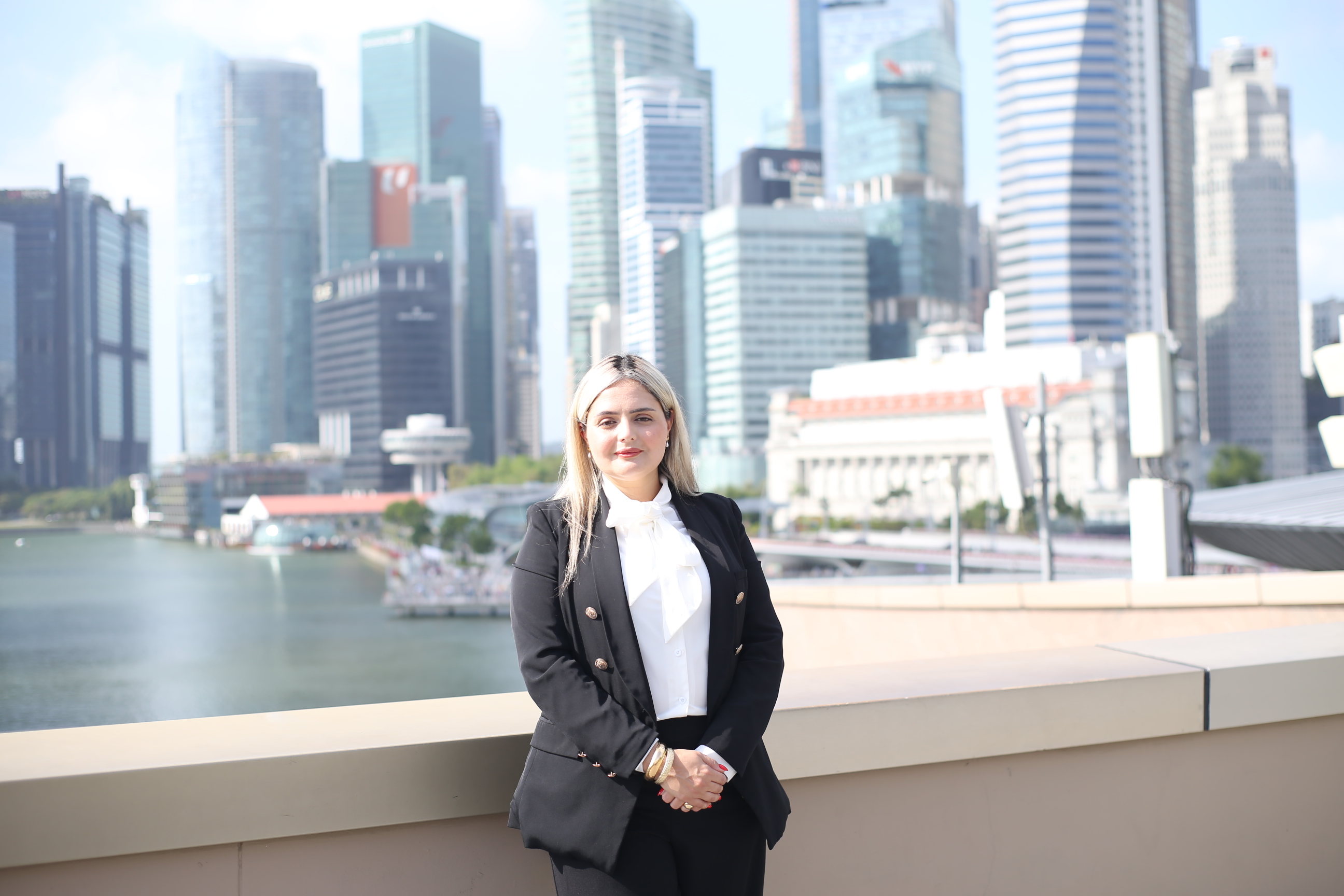
Article by
Salior Ben Hamou Adv עו"ד סאליאור בן חמו
Salior Ben Hamou is an Israeli attorney with a rare combination of deep institutional experience inside the Israeli court system and hands-on legal representation for private clients.
Before entering private practice, Salior Ben Hamou spent 15 years working as a manager within the Israeli District Court, where she was directly involved in the administration and handling of thousands of legal cases across a wide range of matters.
This experience provided her with an exceptional understanding of:
How Israeli courts actually function in practice
Judicial procedures and case flow
Court expectations, timelines, and decision-making dynamics
The realities behind hearings, filings, and bureaucratic processes
Since 2020, Salior Ben Hamou has been practicing law and representing clients directly, with a focus on matters that commonly affect olim, foreign residents, and international families in Israel.
Salior Ben Hamou’s practice is particularly suited to clients who:
Are new to Israel or unfamiliar with Israeli bureaucracy
Expect clear communication and transparency
Require legal support that intersects with daily life, immigration status, or family matters
Prefer professional service aligned with international standards
She provides legal representation in:
Family law matters, including divorce, custody, and parenting arrangements
Immigration and legal status issues in Israel
Rights realization and administrative matters involving Israeli authorities
Disclaimer הבהרה משפטית:
This content is general information only and should not be relied upon as legal advice. No representation is made regarding accuracy, completeness, or current applicability of the law. Laws and procedures may change and vary by jurisdiction.
No attorney-client relationship is formed by viewing this content. Any reliance on this information is at your own risk.
הבהרה משפטית:
המידע המופיע במאמר זה נועד למטרות מידע כללי בלבד ואינו מהווה ייעוץ משפטי, חוות דעת משפטית או תחליף לייעוץ מקצועי פרטני.
קריאת התוכן או פנייה למשרד אינה יוצרת יחסי עורך דין–לקוח. כל מקרה נבחן לגופו ודורש התאמה לנסיבותיו הספציפיות.
לקבלת ייעוץ משפטי המתאים למצבך האישי, יש לפנות לעורך דין ולקבוע פגישת ייעוץ מסודרת.
המשרד אינו אחראי לכל פעולה שתיעשה על סמך מידע זה.