
Living in Israel with an uncertain legal status is a source of constant anxiety. The fear of deportation, coupled with the confusing and often discretionary procedures of the Population and Immigration Authority, can leave you feeling overwhelmed and powerless. For many foreign residents, applying for a humanitarian visa Israel represents the only path to stability, but knowing if your unique circumstances qualify can be the biggest hurdle. This process, known for its lack of clear guidelines, often feels like navigating a maze without a map.
This comprehensive guide is designed to bring clarity to that chaos. We provide practical, realistic guidance on the entire application process, from start to finish. Here, you will understand the specific eligibility criteria for humanitarian status, learn what documents are required to build a strong case, and gain a clear picture of the step-by-step journey. Our goal is to replace your uncertainty with a clear path forward, empowering you to navigate the system with confidence and work towards securing your future in Israel.
Key Takeaways
- Understand that a humanitarian visa is not a standard application but a discretionary status granted based on compelling, unique circumstances.
- Learn the common grounds for application, but recognize that success depends on the total picture of your situation, not a single qualifying reason.
- Building a successful case for a humanitarian visa israel goes beyond just submitting documents; it requires a clear, credible, and consistent narrative to persuade the committee.
- Prepare for all possible outcomes, as an initial rejection is common and understanding the appeals process is a critical part of the journey.
What is a Humanitarian Visa in Israel?
A humanitarian visa in Israel is not a standard visa you can simply apply for at a consulate. Instead, it is a special grant of legal status given to non-citizens who have compelling, exceptional reasons to remain in the country but do not qualify for any other visa category, such as Aliyah or family reunification. It is a discretionary measure, often considered a last resort, designed for unique and often complex personal circumstances.
The legal basis for this status rests with the authority of the Minister of Interior. When an application for a humanitarian visa israel is approved, the most common outcome is the issuance of an A/5 Temporary Residence visa. This visa is significant because it grants the holder the right to work, access to national health insurance (Bituach Leumi), and other social rights, providing a stable foundation for life in Israel.
The Role of the Inter-Ministerial Humanitarian Committee
For particularly complex cases that fall outside standard regulations, the Ministry of Interior turns to the Inter-Ministerial Humanitarian Committee. This body is composed of representatives from various government ministries, including Health, Social Affairs, and Foreign Affairs. Their function is to review the unique details of an application and provide a comprehensive recommendation to the Minister of Interior, who makes the final decision. This process can be lengthy and its outcome is unpredictable, underscoring the need for a meticulously prepared case.
Humanitarian Grounds vs. Standard Visa Applications
It is crucial to understand the difference between a humanitarian request and a standard visa application. Standard processes follow clear, established rules and criteria. Unlike the defined requirements for many of Israel’s visa categories, a humanitarian case is an exception to the general rules. Think of it this way: a standard visa is a well-marked path, while a humanitarian request involves forging a new one. Consequently, the burden of proof is exceptionally high, requiring a powerful and well-documented argument that demonstrates why your case warrants special consideration.
Who Can Qualify? Common Grounds for a Humanitarian Visa
One of the most critical things to understand about applying for a humanitarian visa in Israel is that there is no exhaustive checklist of qualifying reasons. The decision rests with a special inter-ministerial committee at the Population and Immigration Authority, which evaluates each case on its own unique merits. The committee’s goal is to determine if the applicant has an undeniable, deeply rooted connection to Israel, and if denying them status would cause an unjustifiably severe hardship.
The committee examines the “totality of the circumstances,” weighing the applicant’s personal situation against Israel’s broader immigration policies. While the process is managed internally, it’s helpful to understand the context of different statuses, some of which are outlined in resources like the UNHCR visa information for Israel. Below are some common, though by no means guaranteed, scenarios that may provide grounds for a humanitarian request.
Elderly or Dependent Parents of Israeli Citizens
This situation often arises when an Israeli citizen has an elderly parent living abroad who requires full-time care. A successful application typically needs to demonstrate that the parent has no other relatives or caregivers in their home country who can provide support. The Israeli child must also provide proof of their ability to financially support the parent without relying on state benefits, a key factor the committee carefully considers.
Foreign Spouses or Partners After the Israeli Partner’s Death
Navigating the loss of a loved one is devastating, and for a foreign national in the midst of the gradual process for legal status, it creates profound uncertainty. If the Israeli partner passes away, the process stops. The surviving foreign partner can submit a humanitarian request to remain. The committee will consider factors such as the length of the relationship, the duration of time spent in Israel, and whether the couple had children who are Israeli citizens.
Victims of Domestic Violence
Israel has a specific provision to protect foreign nationals who are in a relationship-based visa process but must leave their Israeli partner due to domestic violence. This is a critical protection mechanism that prevents a person from being trapped in an abusive relationship for fear of deportation. Strong evidence is required, such as official police reports, restraining orders, or documentation from a recognized women’s shelter.
Other Compelling Scenarios
While less common, the committee may consider other extraordinary circumstances. These can include cases where an individual has:
- A severe medical condition that cannot be adequately treated in their country of origin.
- Lived and worked in Israel for many years (often as a foreign worker) and has established a clear “center of life” here, with no remaining ties to their home country.
- Minor children (who may or may not be Israeli) for whom deportation would be exceptionally harmful due to their deep integration into Israeli society, education, and culture.
The Application Process: A Step-by-Step Guide
Navigating the application for a humanitarian visa Israel requires a methodical and thorough approach. The entire process is managed by the Population and Immigration Authority (part of the Ministry of Interior, or Misrad Hapnim), and the success of your request hinges on a meticulously prepared application. It is essential to approach this journey with both patience and persistence, as the path to a decision can be long and complex.
Step 1: Gathering Essential Documentation
Your application’s strength lies in its documentation. While specific requirements can vary, a comprehensive file generally includes a core set of documents. A detailed and compelling personal affidavit is the cornerstone, clearly explaining your unique circumstances and the urgent need for humanitarian status in a clear, chronological narrative.
- Core Forms: Completed application forms from the Population and Immigration Authority.
- Personal Identification: Valid passport, passport photos, and authenticated foreign documents like birth or marriage certificates.
- The Personal Affidavit: A detailed, signed statement explaining your story and the reasons for your request.
- Supporting Evidence: This can include medical records, psychological evaluations, financial statements, police reports, and letters of support from employers, community leaders, or family members who can attest to your situation.
Step 2: Submitting the Application
Once your file is complete, you will submit it to the local Population and Immigration Authority office (Misrad Hapnim) that serves your area of residence. Upon submission, you should be issued a case number, which is critical for tracking your application’s progress. We strongly advise making and keeping complete copies of every document you submit for your personal records, as paperwork can sometimes be misplaced.
Step 3: The Waiting Period and Interview
Setting realistic expectations is vital. The waiting period for a decision can be lengthy, often taking many months or even longer. During this time, the Inter-Ministerial Committee for Humanitarian Cases, or its staff, may call you for an interview. The purpose of this interview is to verify the information in your application, ask clarifying questions, and assess your credibility. Understanding the visa that may be granted is also helpful; the A/5 temporary resident visa is often issued on humanitarian grounds, and you can find official details on the UNHCR Israel visa information page.
The complexity and emotional weight of this process can be daunting. You do not have to navigate these bureaucratic challenges alone. Contact our office for a consultation for expert guidance and support every step of the way.
Building a Strong Case: Key Factors for Success
Successfully navigating the application for a humanitarian visa in Israel requires more than just filling out forms; it requires a strategic approach. The Inter-Ministerial Committee is not simply reviewing documents-they are evaluating a person’s life story. Your goal is to present a clear, consistent, and credible narrative that demonstrates why remaining in Israel is the only just and humane outcome. This is where an application shifts from a bureaucratic process to a compelling personal appeal, and where professional legal guidance can make a profound difference.
Demonstrating Your ‘Center of Life’ is in Israel
A crucial element the committee evaluates is whether your ‘center of life’ is firmly established in Israel. This legal concept refers to the place where your primary social, cultural, and economic ties are located. You must provide concrete evidence that your life is deeply rooted here, showing that deportation would cause an unreasonable and severe disruption. Strong evidence can include:
- Long-term rental agreements or property ownership.
- A consistent history of employment and contributions to the Israeli economy.
- Enrollment in educational institutions (for yourself or your children).
- Active involvement in a community, synagogue, or volunteer organizations.
- Testimonials from Israeli friends, family, and colleagues.
The Power of a Detailed Personal Narrative
The personal letter is the heart of your application. This is your opportunity to speak directly to the committee, explaining your circumstances in your own words. Your narrative should be honest, detailed, and focused on the specific humanitarian reasons underpinning your request. It’s essential to connect your personal story to the documents you provide, allowing each piece of evidence to support a point you make in your letter. This creates a cohesive and persuasive case that is difficult to dismiss.
Providing Corroborating Evidence and Expert Opinions
While your personal story is vital, objective, third-party evidence adds significant weight and credibility. Letters of support from employers, doctors, therapists, or community leaders can validate your claims and attest to your character. Furthermore, a professional opinion, such as a comprehensive report from a social worker assessing the potential harm of deportation, can be exceptionally persuasive. With deep institutional knowledge, our firm helps clients present the strongest possible case by identifying and gathering the most impactful evidence for their unique situation.

After the Decision: Approval, Rejection, and Appeals
The waiting period for a decision on your humanitarian visa application can be stressful. When the response finally arrives, it will lead down one of two very different paths. Understanding the next steps for either an approval or a rejection is crucial for moving forward with clarity and purpose. It is important to remember that even a negative decision is not always the final word.
If Your Application is Approved
An approval is a life-changing moment. You will be instructed to visit the Population and Immigration Authority (Misrad HaPnim) to receive your A/5 temporary resident visa. This visa grants you significant rights and is the first step toward building a stable life in Israel. With an A/5 visa, you receive:
- The right to work legally without restriction.
- A temporary identity card (Teudat Zehut).
- Eligibility for national health insurance (Bituach Leumi) and other social benefits.
The A/5 visa is typically granted for one year and must be renewed annually. Consistent renewal and maintaining the humanitarian grounds for your status can eventually open the path to permanent residency.
Understanding and Responding to a Rejection
It is a difficult but common reality that many initial applications for a humanitarian visa Israel are rejected. Do not lose hope. The first and most critical step is to obtain the official written decision, which must detail the specific reasons for the denial. Common reasons include insufficient evidence to support your claims, a perceived lack of credibility, or failure to meet the specific criteria of the committee. Once you understand the basis for the rejection, you have two main options: submit a revised application with stronger evidence or file a formal appeal.
The Appeals Process
If your application is denied, you have the right to appeal. The first stage is typically an internal appeal filed directly with the Population Authority. If this is unsuccessful, the next step is to file an appeal with the Appeals Tribunal, a specialized court that handles immigration and status matters. This legal process is complex and requires a thorough understanding of Israeli administrative law and court procedures.
Navigating the appeals process requires professional legal expertise to build a compelling case and effectively argue against the authority’s decision. An experienced immigration lawyer is essential at this stage to protect your rights and give you the best possible chance for a successful outcome.
Secure Your Future in Israel with Expert Guidance
Navigating the path to legal status in Israel on humanitarian grounds is a complex and highly specific process. As we’ve covered, success depends on a deep understanding of the qualification criteria, meticulous preparation of your application, and building a compelling case that clearly demonstrates your unique circumstances. The journey to obtaining a humanitarian visa israel requires more than just paperwork; it demands a strategic and well-supported approach.
You do not have to face this challenge alone. SALIOR Law Office provides empathetic guidance specifically for English-speaking clients in these complex situations. Leveraging deep experience with the Population and Immigration Authority and led by an attorney with 15 years of insider experience in the Israeli court system, we help you move forward with clarity. We are here to ensure your story is heard and your case is presented with the professionalism it deserves.
Facing an uncertain future in Israel? Request a consultation to discuss your case. With the right support, you can approach this critical step with confidence and realistic expectations.
Frequently Asked Questions About Humanitarian Visas in Israel
How long does the humanitarian visa application process take in Israel?
The timeline for a humanitarian visa application is not fixed and can be lengthy, often taking many months or even over a year. The duration depends on the specific details of your case, the current caseload of the Ministry of Interior’s Humanitarian Committee, and the quality of the application submitted. A meticulously prepared and well-documented case can help avoid unnecessary delays and move the process forward with greater clarity and efficiency.
Can I work in Israel while my humanitarian application is pending?
Generally, submitting an application does not automatically grant you the right to work. You must hold a valid work visa (B/1) to be legally employed in Israel. However, in certain circumstances, particularly during a prolonged application process where significant hardship can be demonstrated, it is possible to submit a separate request for a work permit. The success of such a request is decided on a case-by-case basis and is not guaranteed.
What is an A/5 visa and what rights does it provide?
An A/5 visa is a temporary residency permit that is often the positive outcome of a successful humanitarian application. It is typically granted for one year and is renewable. Holding an A/5 visa provides significant rights, including legal permission to work for any employer in Israel, access to the national healthcare system (Bituach Leumi), and the ability to travel in and out of the country. It is a crucial step toward achieving long-term stability in Israel.
What are the legal fees for hiring a lawyer for a humanitarian case?
Legal fees for humanitarian cases are based on the complexity and expected duration of the work. A more straightforward case might start from around ₪15,000, while highly complex cases involving appeals or extensive evidence collection can cost ₪30,000 or more. We believe in complete transparency, providing clients with a clear and realistic breakdown of costs from the outset to ensure you can move forward with confidence and no financial surprises.
Does having an Israeli child automatically qualify me for a humanitarian visa?
While having an Israeli child is a very powerful and central element in a humanitarian case, it does not provide automatic qualification. The committee heavily weighs the “best interests of the child” but also examines the parent’s background and circumstances. A strong, well-argued legal case must be presented to demonstrate why granting the parent status is essential for the child’s welfare. Successfully navigating this process is key to obtaining a humanitarian visa in Israel.
Is a decision from the Humanitarian Committee final?
A negative decision from the committee is not necessarily the end of the road. If your application is denied, you have the right to file an appeal with the Administrative Appeals Tribunal. This is a formal legal proceeding where your attorney can challenge the committee’s decision and present your case before a judge. An appeal provides another critical opportunity to secure your status, but it requires a strong legal strategy and professional guidance.
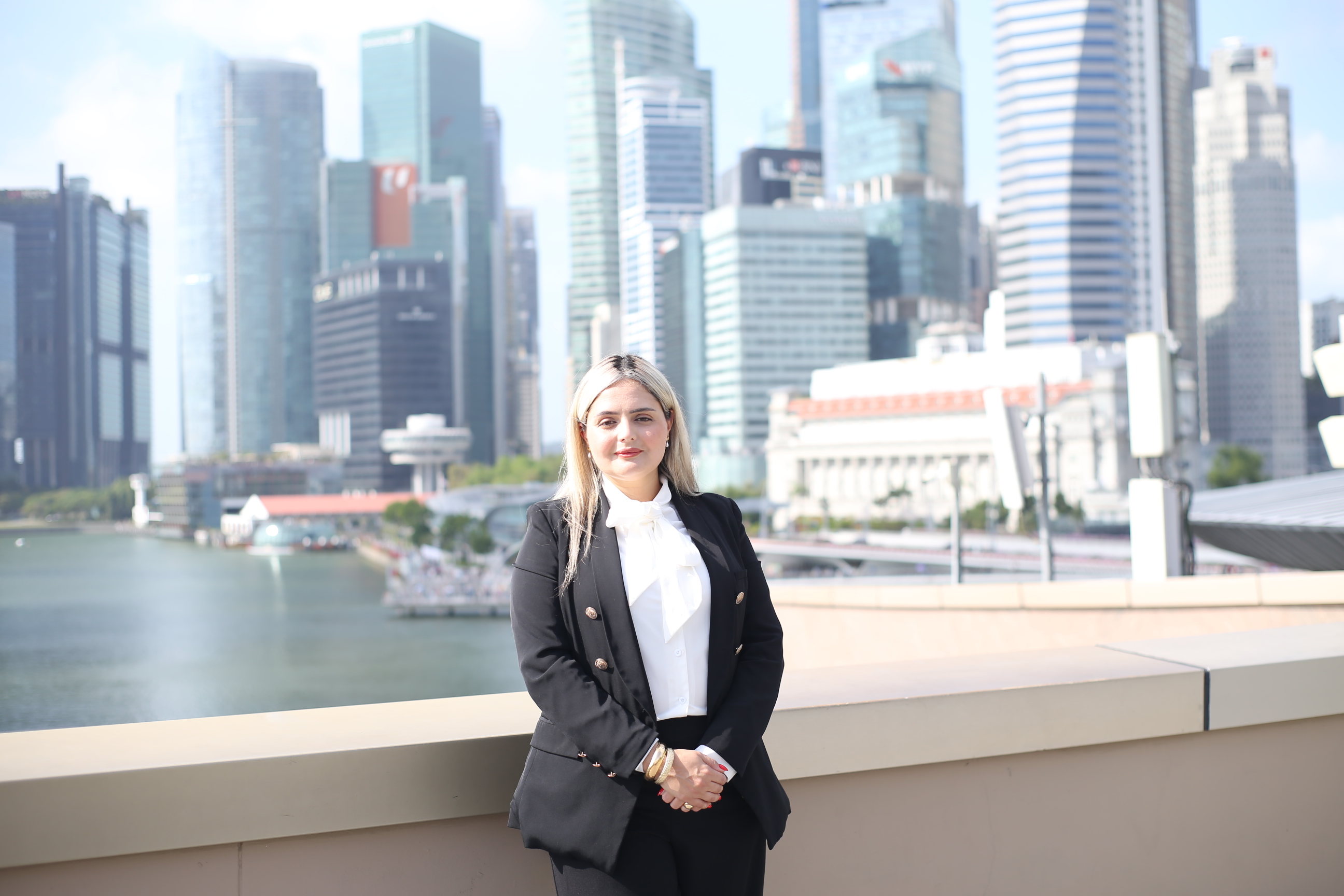
Article by
Salior Ben Hamou Adv עו"ד סאליאור בן חמו
Salior Ben Hamou is an Israeli attorney with a rare combination of deep institutional experience inside the Israeli court system and hands-on legal representation for private clients.
Before entering private practice, Salior Ben Hamou spent 15 years working as a manager within the Israeli District Court, where she was directly involved in the administration and handling of thousands of legal cases across a wide range of matters.
This experience provided her with an exceptional understanding of:
How Israeli courts actually function in practice
Judicial procedures and case flow
Court expectations, timelines, and decision-making dynamics
The realities behind hearings, filings, and bureaucratic processes
Since 2020, Salior Ben Hamou has been practicing law and representing clients directly, with a focus on matters that commonly affect olim, foreign residents, and international families in Israel.
Salior Ben Hamou’s practice is particularly suited to clients who:
Are new to Israel or unfamiliar with Israeli bureaucracy
Expect clear communication and transparency
Require legal support that intersects with daily life, immigration status, or family matters
Prefer professional service aligned with international standards
She provides legal representation in:
Family law matters, including divorce, custody, and parenting arrangements
Immigration and legal status issues in Israel
Rights realization and administrative matters involving Israeli authorities
Disclaimer הבהרה משפטית:
This content is general information only and should not be relied upon as legal advice. No representation is made regarding accuracy, completeness, or current applicability of the law. Laws and procedures may change and vary by jurisdiction.
No attorney-client relationship is formed by viewing this content. Any reliance on this information is at your own risk.
הבהרה משפטית:
המידע המופיע במאמר זה נועד למטרות מידע כללי בלבד ואינו מהווה ייעוץ משפטי, חוות דעת משפטית או תחליף לייעוץ מקצועי פרטני.
קריאת התוכן או פנייה למשרד אינה יוצרת יחסי עורך דין–לקוח. כל מקרה נבחן לגופו ודורש התאמה לנסיבותיו הספציפיות.
לקבלת ייעוץ משפטי המתאים למצבך האישי, יש לפנות לעורך דין ולקבוע פגישת ייעוץ מסודרת.
המשרד אינו אחראי לכל פעולה שתיעשה על סמך מידע זה.